

Poker 101: Tips for Beginners to Play Like a Pro
Whether you’re a complete beginner or have dabbled in a few games with friends, this blog post is here to help you elevate your skills and play like a true pro in all online casinos. Poker isn’t just about luck; it’s about strategy, reading your opponents, and making calculated moves. Keep on reading to learn some valuable tips that will take your game from amateur hour to high-stakes showdowns.
Know Your Hands
 Knowing the value and strength of each hand will greatly influence your decision-making throughout the game. Starting with the basics, let’s talk about high cards. A hand with a high card like an Ace or King can be quite powerful, especially if paired with another high card or suited connectors. These hands have great potential for making strong combinations and should not be underestimated. Moving on to pairs, having two cards of the same rank can give you a solid foundation in any game.
The higher the pair, such as two Queens or two Aces, the stronger your hand becomes. Pairs offer stability and increase your chances of hitting sets or even full houses later in the game.
Play Tight But Aggressive
So how do we play? Well, the key is to be selective with the hands you choose to play, but once you’re in a hand, don’t be afraid to make bold moves and put pressure on your opponents. Playing tight means only playing strong starting hands. Try focusing on quality over quantity. By being more selective with your starting hands, you increase your chances of having a stronger hand than your opponents. However, just because you’re playing tight doesn’t mean you should be passive during gameplay. Being aggressive means taking control of the pot and putting pressure on your opponents by making large bets or raises. This can force weaker players to fold their hands and give you an advantage.
Learn How to Read Your Opponents
First and foremost, pay close attention to your opponents’ betting patterns. Are they consistently raising or calling? Do they tend to bet aggressively or passively? By observing these patterns, you can gain valuable insight into their playing style and potentially predict their next moves. Another important aspect of reading your opponents is studying their body language. Pay attention to any subtle cues such as facial expressions, hand movements, or changes in posture. These non-verbal signals can often reveal whether an opponent is bluffing or holding a strong hand.
Avoid Tilt
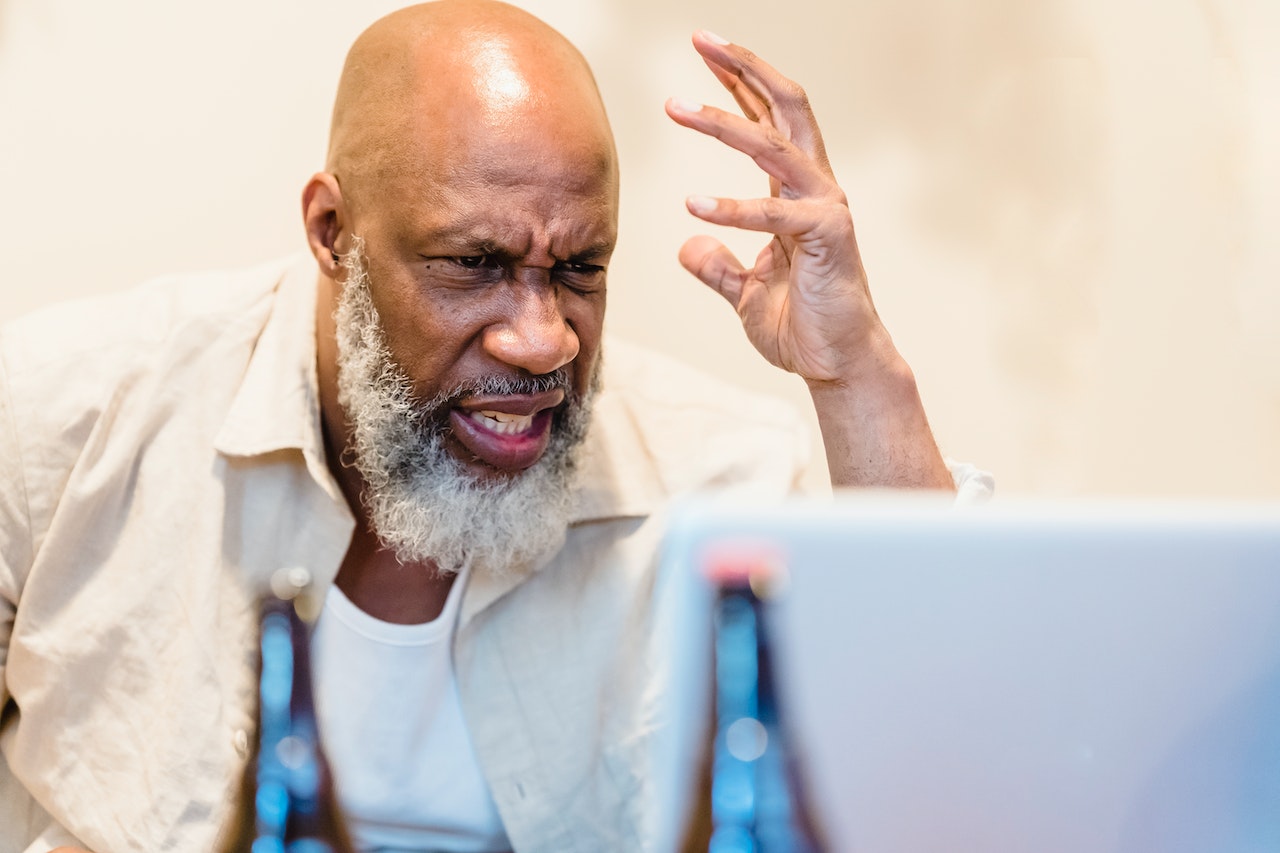
 Tilt is basically a state of emotional frustration or anger that can cloud your judgment and lead to poor decision-making at the poker table. Tilt can happen for various reasons – losing a big pot, getting bad beats, or even just feeling tired or frustrated. But no matter what causes it, tilt is detrimental to your game and can quickly turn a winning session into a losing one. To avoid tilt, poker pros often stay calm and composed during gameplay.
That’s why, you also need to do so and take deep breaths, remind yourself that variance is part of the game. Focus on making rational decisions rather than letting emotions dictate your actions. Another way to prevent tilt is by managing your bankroll effectively. By mastering these fundamental aspects of poker and continuously honing your skills through practice and experience, you’ll be well on your way toward playing like a pro. So get out there, hit the tables with confidence, and enjoy the exhilarating world of poker.…






 The first thing you need to do is set a schedule for your poker night. It would help if you also decided on the rules of the game. For example, will you be playing for money? If so, how much? Will there be any other prizes? The rules should be clear to all players before the game starts. You should also decide what kind of
  Now that you know how to host a poker night, you don’t want to miss joining the game. And wouldn’t it be a shame for you to look like a newbie when the game starts? So you should take time to improve your poker skills by reading books or watching videos about how professionals play the game. And if you want to join an online poker game first, you can also try some free online games to get a feel for the highly competitive table.
 It is wise to be aware of the risks associated with gambling before you start. Gambling can be addictive, and if you become addicted, it can ruin your life. So make sure that you’re fully aware of what you’re getting yourself into before starting to gamble. Unfortunately, many people start gambling without realizing the risks, and they often lose a lot of money.
 Although you’ll want to win every time you gamble, it doesn’t always happen. So don’t borrow money from friends or family members to gamble with, and don’t spend more on gambling than what you can afford to lose. You should also set up a budget for your gaming activities before starting. If you’re playing at a casino, ask yourself how much time you can spend there and how much money you can afford to lose.
 If you are new to card games, learning the basic rules before playing is important. This will give you a better understanding of the game and help you make better decisions while playing. Each game has its own set of rules, so be sure to read up on them
  Poker is all about deception. In order to win, you need to be able to bluff your opponents. One way to do this is by using your poker face. This means keeping a straight face even when you are not sure what to do. This will make your opponents think that you have a good hand and may cause them to fold.